Rapid one-to-many messaging for urgent alerts
Comparison Guide
Mass-notification tools vs two-way church safety dispatch
Broadcast alerts are important. Dispatch control is different.
One-to-many pushes help in emergencies, but Sunday safety is often a two-way, role-specific conversation. Teams need routing tied to who is actually on duty - not a blast list guessing who is listening.
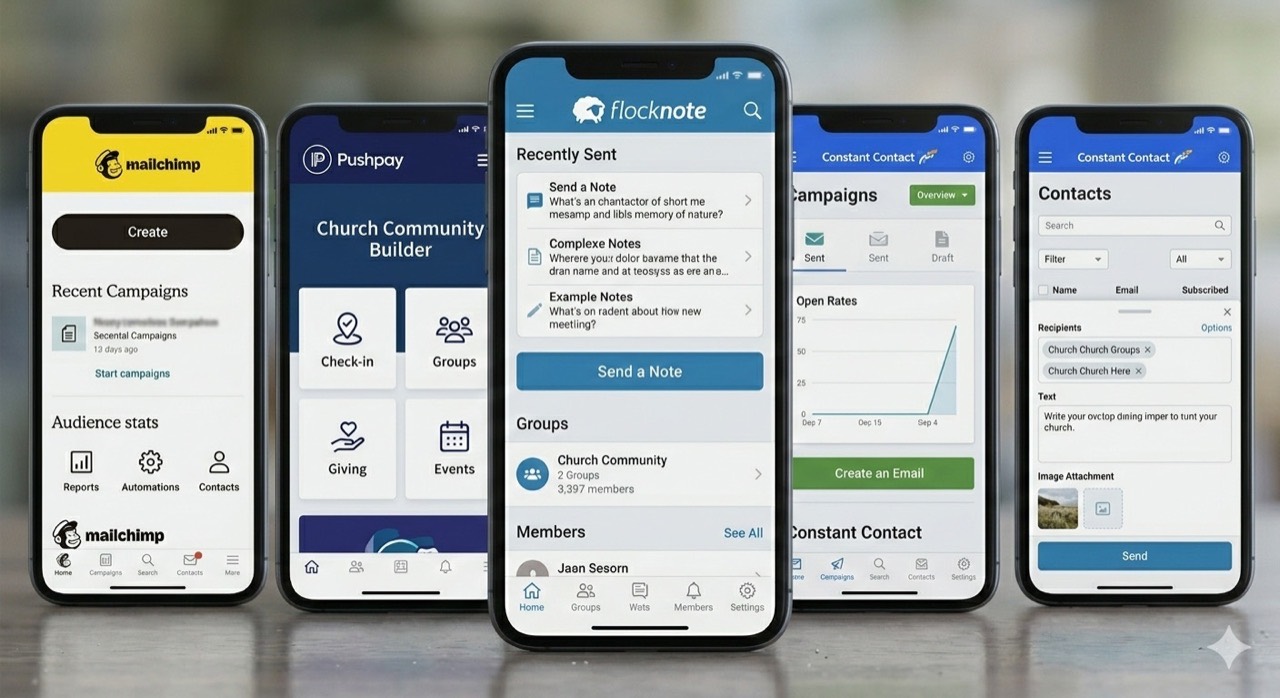
Where Broadcast Tools Shine
Clear congregation-wide announcements
Simple publish flow for broad communication
Where Safety Dispatch Needs More
Related comparisons and playbooks
Category guides and adjacent workflows, not a duplicate list of the dispatch gaps above.
When mass notification still belongs in the stack
One-way alerts are excellent for weather closures, facility-wide notices, and campus-wide tests. They are weaker when a safety team needs stateful coordination: who is on post, who may speak for leadership, and how to close a thread without losing history. Many churches end up with both a blast tool and an informal chat thread trying to cover the gap. That hybrid can work if roles are explicit; it fails when the blast tool becomes the de facto chat room because it is the only number people remember.
Use the comparison above to decide what you want each layer to do on Sunday. If TEXT becomes your coordination backbone, mass notification can stay focused on rare, pre-approved templates while routine movement lives in structured SMS. Review group text patterns and platform details when you translate this into a staff decision memo.