1. Locate
Identify nearest trained responder and on-shift supervisor.
Route quickly to the right responders while keeping worship calm.
Structured messaging helps identify the closest trained team member, align supervisor oversight, and close the event with accountability.
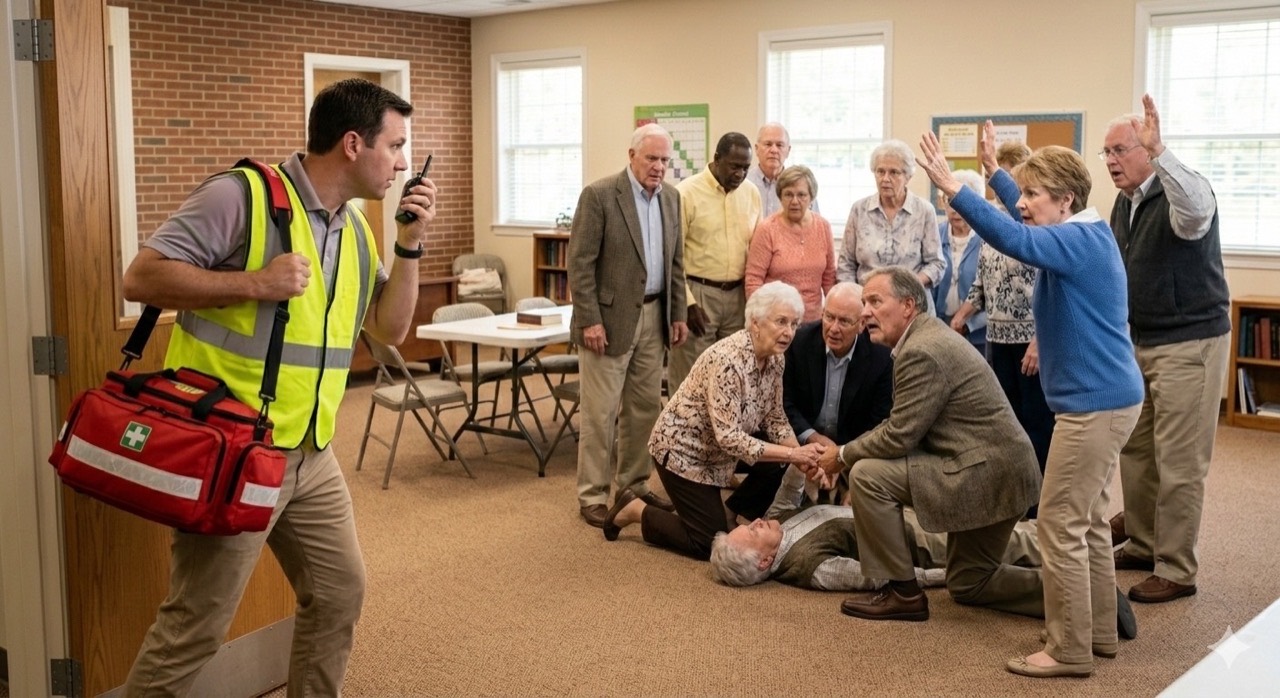
Identify nearest trained responder and on-shift supervisor.
Route concise updates to relevant roles only.
Capture timeline and recap for leadership review.
Medical events compress time and expand emotions. Communication should help triage and handoff, not narrate every guess in public. The pattern above keeps the first messages short: location, conscious or not, bleeding controlled or not, and who is moving toward the patient. Supervisors can widen the circle deliberately if the situation requires more hands, instead of every volunteer self-dispatching because they saw a vague post.
After the event, documentation supports pastoral follow-up, facility notes, and insurer questions without relying on memory. Align your vocabulary with local EMS if they serve your campus regularly. For related flows, read children’s area incidents and service-time discipline so medical, security, and ministry leaders share the same escalation map.
SMS thread demo: Medical workflow on operational templates (Alex, Sam, Mia with
supervisor-routed @MEDIC skill dispatch).